
JAN
I wasn’t ready for college — until I was
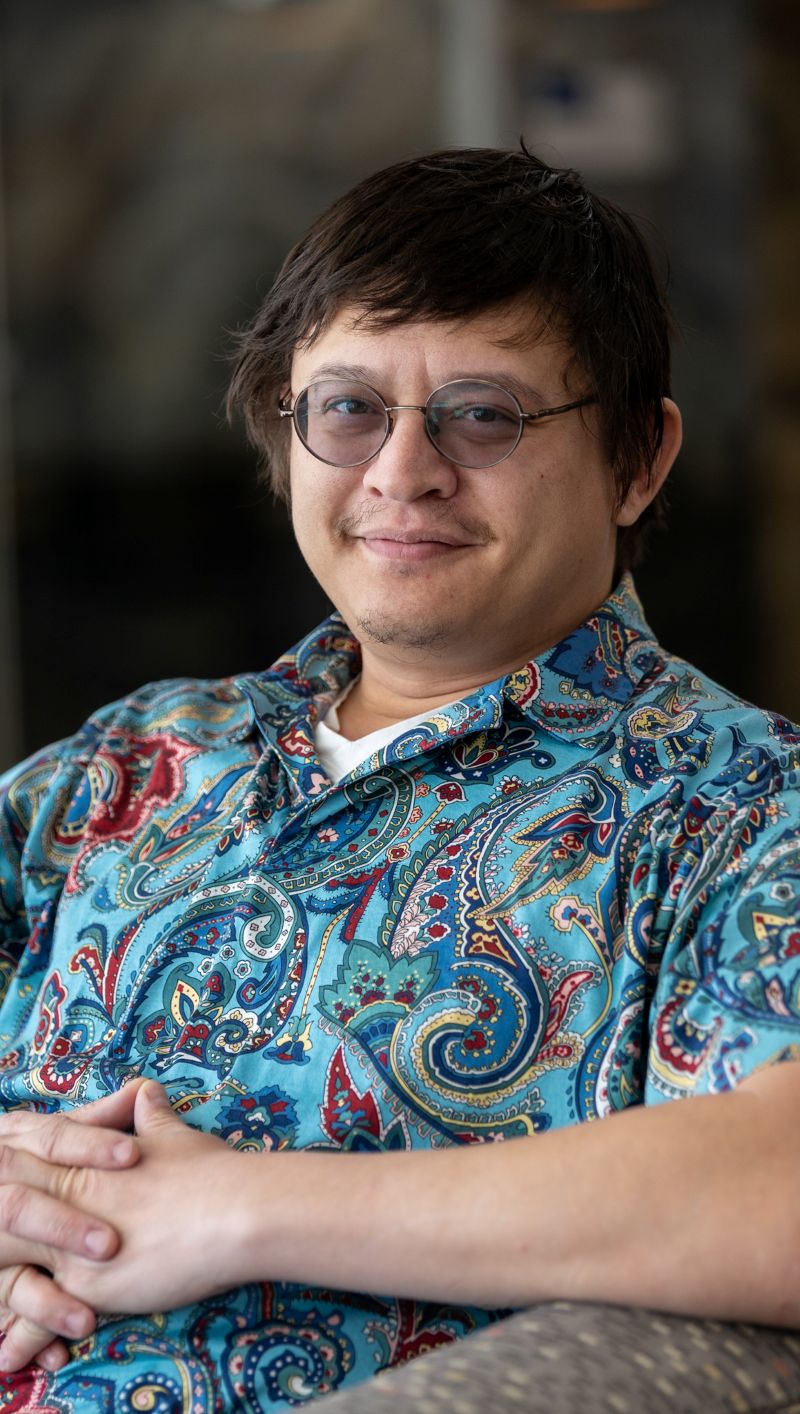 LCCC was the right environment at the right time for Athanasius Lipton, a student
veteran
LCCC was the right environment at the right time for Athanasius Lipton, a student
veteran
When I left the Air Force, I didn’t step into clarity or direction. It was, in a lot of ways, the best and worst time of my life at the same time. I had good experiences, but I also needed space to deal with my mental health and figure out who I was outside of service. College wasn’t part of that plan yet.
Over time, faith worked its way back into my life, rooted in my Greek Orthodox tradition, along with a sense that I was being called toward something more intentional. I didn’t have everything figured out, but I did have an end goal in mind: continuing my education and eventually pursuing seminary. I knew that meant I needed to start somewhere practical. Laramie County Community College became that starting place — a way to build the academic foundation I would need to take the next steps with purpose.
I started at LCCC in my late 30s. The part that made me nervous wasn’t being around younger students. It was academics. The last time I’d written a paper or worried about citation formats was in high school. MLA, APA, Chicago style — all of it felt foreign. I cared deeply about doing well, which somehow made the anxiety worse. I didn’t want to feel like I was behind, and I didn’t want to take up more help than I deserved.
At first, I tried to handle everything on my own. That mindset came with me from the military and from years of managing things internally. But pretty quickly, it became obvious that approach wasn’t sustainable. Writing papers, organizing arguments, and cleaning up my work were skills I needed to relearn, not muscle through.
That’s when I started spending time in the Learning Center and the Ludden Library. I’d sit down with tutors, ask questions, show them drafts, and get small pieces of feedback that made a big difference. I went to office hours, sometimes just for a few minutes, to talk through assignments or broader ideas from class. Those conversations helped me understand what instructors were really looking for, beyond what was written in the syllabus.
What surprised me most was realizing that asking for help wasn’t a weakness. It was part of the process. The support was there because students are expected to use it. Once I let go of the idea that I had to do everything alone, things started to click.
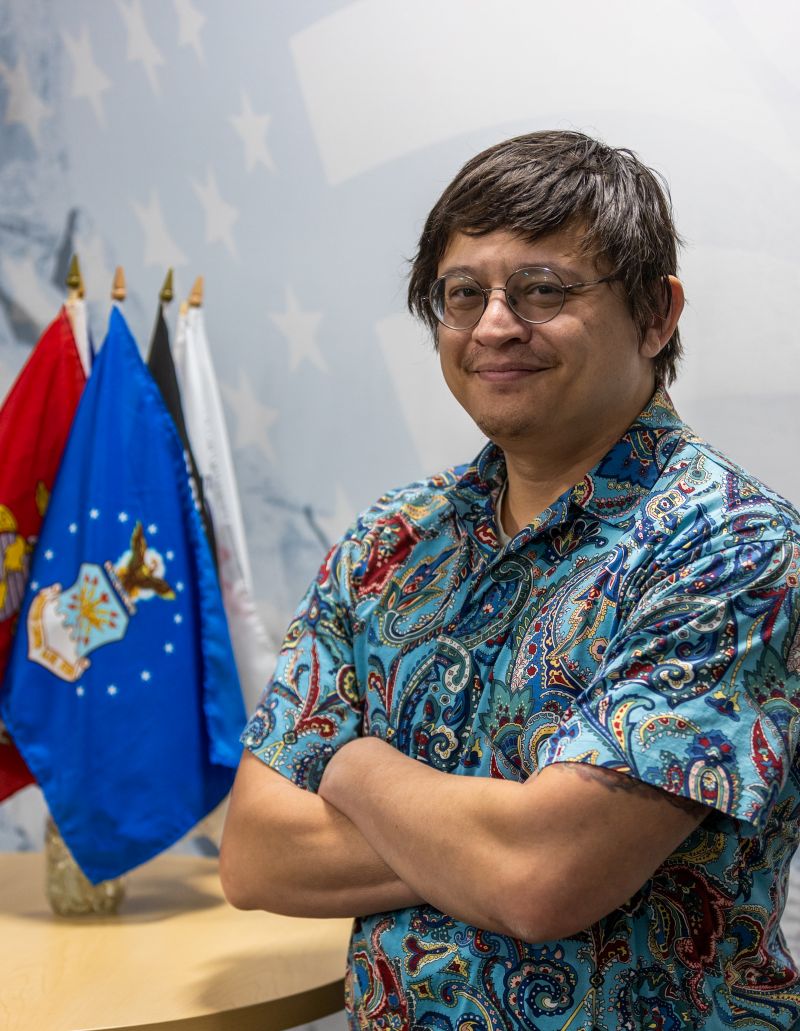
College, for me, hasn’t been about reinventing myself. It’s been about reintegration — learning how to be part of a community again. Being in classes, talking with instructors, and spending long hours in the library helped me ease back into that rhythm. I’m writing this from the DMZ Lounge on LCCC’s campus, a space designed specifically for student service members and veterans. It’s a place where I can pause between classes, reflect, and be around people who understand that transition.
Coming back to college has been a leap of faith. But it’s a leap I’ve been able to take because I know I won’t be doing it alone. When I need help, it’s there — whether that’s someone to walk through a paper with me, an instructor willing to talk things through, or a quiet place on campus to reset and keep moving forward.
If you’re a veteran or a non-traditional student wondering whether college makes sense, I don’t think the question is whether you’re too old or too late. I think the real question is whether you’re ready — and whether you trust that your needs will be met along the way.